
Pyrometry II or Pyrometry III? Aerospace Pyrometry training continues
- Aug 3, 2026
- Martin Bridge, PRI Training Instructor
It has been two years since the expanded pyrometry training course Pyrometry II: Aerospace Pyrometry AMS2750TM was launched. Now we have the follow-up course – Pyrometry III - about to arrive. Which one should you do, or do you need both?
Anyone using thermal systems for processing in aerospace has likely come across AMS2750TM. This is an international standard for the management of temperature and temperature control systems for thermal processing in aerospace – in particular, the heat treatment of metals. It covers the requirements for sensors, instrumentation and testing of equipment. It has been the baseline specification for over 25 years, used, sometimes with additions, by almost all aerospace customers. The PRI Training program has been conducting training courses explaining the requirements for over 20 years.
The training has been completely rewritten to incorporate the most recent changes in AMS2750TM Rev H. The overall aim is to make it easier to digest and address some of the underlying knowledge needed to understand the requirements.
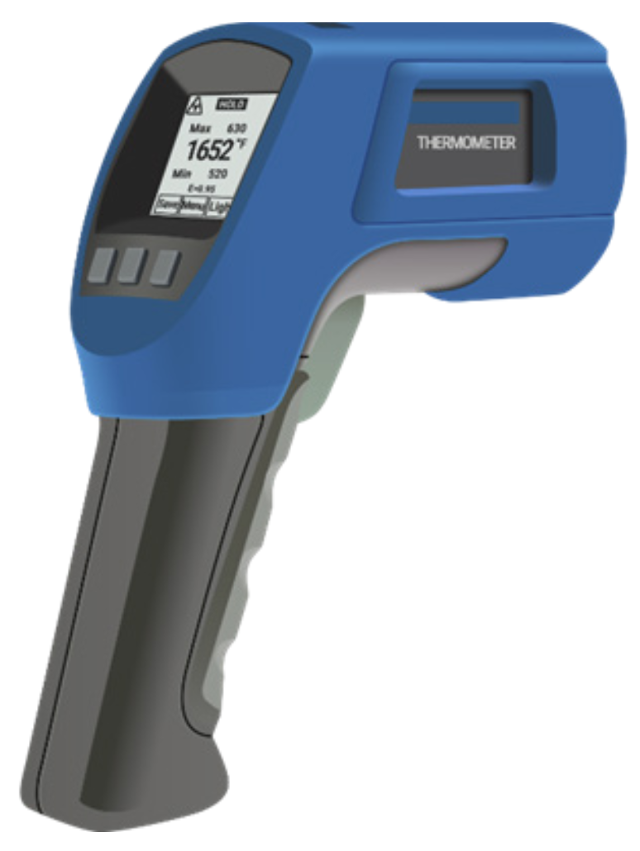
The training is now supplemented by an improved participant guide with additional notes and commentary from the instructor. Finally, the course materials have been enhanced to ensure global consistency so no matter which language your Pyrometry II course is delivered in, you know you can trust that you are receiving a high-quality learning experience.
Most people will note that the title Pyrometry II implies that this is part of a series of courses on pyrometry. We are pleased to say his portfolio is now expanding. In updating the Pyrometry II course we identified the need for a pretraining to cover some of the previously assumed knowledge. Pyrometry II will be supplemented with an online course, Pyrometry I: Fundamentals, which will summarise this knowledge – including topics like how furnaces actually work (simple heat transfer), how temperature is controlled (control methods – e.g. simple on/off, proportional power input, PID etc), and how different sensors work (simple electrical systems – resistance and voltage vs current).
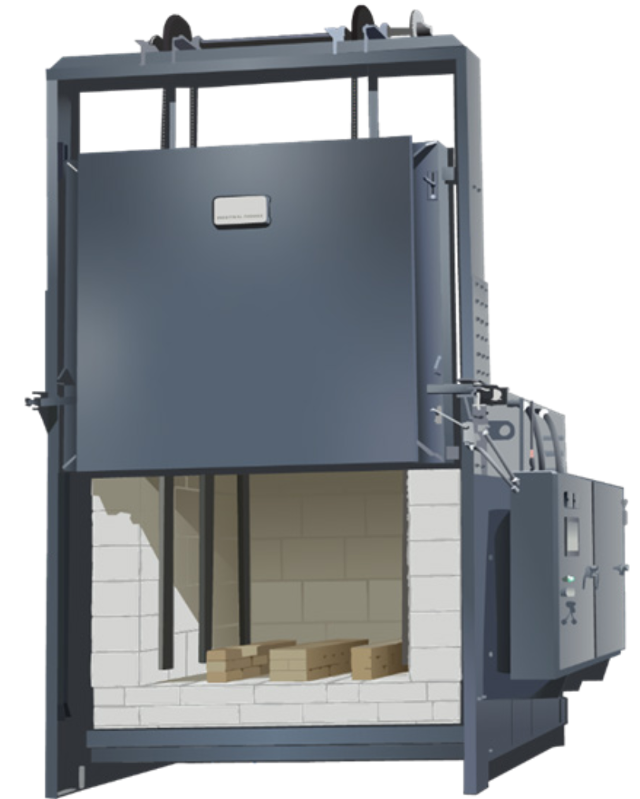
Since 2022, the PRI Training program has offered a two-day training course, Advanced Pyrometry. This now becomes Pyrometry III. Here, the rules are revisited but with further explanations along with practical demonstrations to address common application problems and issues. In essence, the three courses will form a series, just like learning to drive. Pyrometry I will be an introduction – “this is a car; here is how it works”. Then taking Pyrometry II is like learning to pass a driving test, adding details of how to use controls and of the rules of the road. Only after passing the test do you really learn to drive, and then you discover that the rules do not always seem to work and that other places have different rules. Pyrometry III is like an Advanced Drivers course – it builds on the groundwork from Pyrometry II but with a different understanding and emphasis, and covers common problems and issues.
Currently, all three courses are based around AMS2750TM Rev H, but will be updated when the specification is revised.
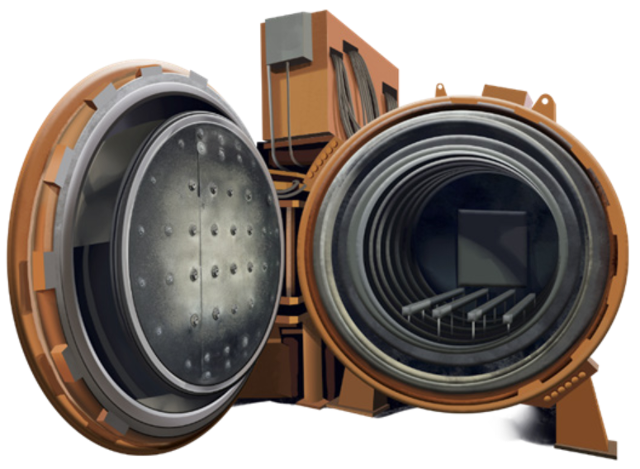
Pyrometry II is divided into a set of six modules spread over three days.
Module 1: Heat Treatment and Pyrometry
Introduces pyrometry as a topic, explaining how it relates to thermal processing equipment used in Aerospace Heat Treatments and how AMS2750TM fits in.
Module 2: Sensors
Covers sensors, with the emphasis on thermocouples, explaining how they work, what types are most common, how they are constructed and how they can go wrong. This leads to the accuracy required, calibration rules, usage lives, and rules about re-use. Ending with what documentation is required to prove compliance with the rules.
Module 3: Instrumentation
Covers instruments - explaining what instruments are acceptable, how are they used and what can go wrong. This then leads to calibration requirements, including methods and intervals, with examples and typical documentation (records). Also covers instrumentation – explaining Furnace Class (temperature tolerances required) and Instrumentation Type (minimum acceptable arrangement of instruments required) and how these impact calibration and testing.
Module 4: System Accuracy Tests
Covers System Accuracy Tests (SAT) – explaining why they are needed, when to do them, how to do them and how to document them along with explaining the two alternatives that exist. This section also covers how to manage offsets when doing SAT.
Module 5: Temperature Uniformity Surveys
Covers Temperature Uniformity Surveys (TUS) – explaining why they are needed, how to set up equipment for TUS, how to carry out TUS, including how many sensors to use, where to locate them, how to take readings and then what to do with the readings. This module looks at how to apply modification offsets to help correct or centralise uniformity, checking if relocation is required for High and Low recording sensors, and how to do radiation surveys. We describe the documentation requirements and look at alternative methods for TUS – special techniques for continuous furnaces as well as probe methods and property surveys.
Module 6: Quality Assurance and Documentation
Covers the Quality Assurance requirements – sub-contractor qualifications, internal training and internal documentation. The module looks at what can go wrong and what actions need to be taken, including the typical sources of error that should be addressed in instructions and procedures. The module ends with a summary of the preparation needed for the pyrometry portion of a Nadcap Audit, along with descriptions of the most common things found wrong during audits (most common non-conformances).
Pyrometry III follows a similar pattern, spread over two days:
Module 1: Aerospace Pyrometry and AMS2750 Overview
Highlights the special requirements of Aerospace while giving insight into the background and use of AMS2750TM
Module 2: Sensors
Goes deeper into thermocouple fundamentals and the impact of their construction on usage, highlighting particular problem areas and looking at how these affect sensor selection. Covers alternate temperature measurement systems. Addresses some of the common issues found relating to calibration and the use of correction factors.
Module 3: Instrumentation
Takes the basic requirements for instruments and instrumentation and expands on common misunderstandings and misuse, particularly relating to calibration issues.
Module 4: System Accuracy Test (SAT)
Goes into more detail on the three test options – their benefits and problems. Then addresses the common problems with the Comparison SAT – how to avoid inaccurate results.
Module 5: Temperature Uniformity Survey (TUS)
Of all the tests in pyrometry, the TUS seems to have the widest scope for errors and misinterpretations. This module explains in more detail how the test is intended to be run and how to avoid many of the issues that arise – covering set-up, execution, data analysis and interpretation. It also addresses the alternate methods.
Who should attend?
Pyrometry I – This course will be aimed at total novices before taking Pyrometry II, or anyone else who merely wishes to confirm basic understanding of things you need to know before proceeding. The course will be developed in the future.
Pyrometry II – Anyone who needs to know what is required to manage thermal processing equipment in Aerospace. Technicians and others doing tests need to understand the methods and rules. Anyone responsible for accepting or approving test results or certificates need to know what they are looking for. Those responsible for writing procedures or instructions need to know what must be covered and which details need to be included to minimise errors.
Pyrometry III – All those who, after Pyrometry II, need further insight into the rules or who have identified problems in applying them.
